How Startups Build Business Credit
When a new business is getting started, the focus is usually on launching the product, finding customers, and keeping things running smoothly. In the middle of all this, setting up business credit often gets pushed aside. Taking the time to build it early can make a big difference For startups with high early expenses, strong credit can help keep cash flow steady and support long-term growth.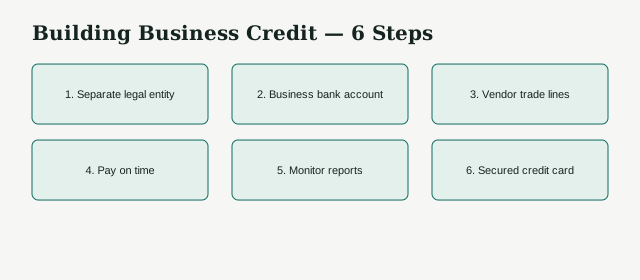
Six Steps to Build Strong Business Credit
1. Form a Separate Legal Entity
Start by structuring your business so it’s legally distinct from you and applying for an Employer Identification Number from the IRS. This could mean incorporating, forming a limited liability company (LLC), or setting up a partnership. Separating your personal and business finances protects your personal assets and creates a legal foundation for building a business credit history.2. Open a Business Bank Account
Once your business is registered, open a dedicated bank account. Keeping business and personal transactions separate makes bookkeeping cleaner and strengthens your business’s financial profile. A business account also:- Improves financial transparency
- Simplifies tax preparation
- Shows banks and lenders you are operating professionally
3. Build Trade Relationships with Vendors and Suppliers
Working with vendors who report payment activity to business credit bureaus is a smart move. If your current suppliers don’t, consider asking them to or finding those who will. Consistently paying vendors on time improves your credit score and strengthens business relationships, which can lead to better terms and more flexible arrangements in the future.4. Pay Bills and Invoices Promptly
Timely payments are one of the biggest factors in building a strong credit history. Late payments can damage your score and your reputation. Set up clear accounting processes and reminders so bills and invoices are paid on time. If you buy equipment along the way, Section 179 can let you deduct the full cost in the year of purchase instead of depreciating it over several years. This not only protects your credit but also signals reliability to lenders and partners.5. Monitor Your Business Credit Reports
Regularly reviewing your credit reports helps you spot inaccuracies or suspicious activity early. Errors can hurt your score and affect your ability to get financing, the same way a misreported expense can trigger a 20% accuracy-related penalty under Section 6662 on a tax return. Check your reports with major credit bureaus, following the SBA's guide to managing business finances, and dispute any incorrect information right away. Keeping your file accurate supports a stronger credit rating over time.6. Use a Secured Business Credit Card
For startups without an established credit history, a secured business credit card can be a great starting point. These cards typically require a $500 to $2,000 refundable cash deposit, which serves as your credit limit. Benefits include:- Lower risk while building credit
- Easier budgeting with a fixed limit
- Positive impact on your score through consistent on-time payments
Managing Business Credit with Real-Time Reporting
Keeping your credit in good standing requires ongoing monitoring of your financial health. Real-time reporting tools give you an up-to-date view of cash flow, expenses, and upcoming obligations. With accurate, timely data, you can make informed decisions about when to expand, take on financing, or adjust spending. These insights also help ensure that you maintain a strong payment history, which is essential for protecting and improving your business credit score. Pairing disciplined credit management with real-time financial tracking strengthens your company’s reputation with lenders, suppliers, and partners, making it easier to secure resources for growth.Partner with LedgersCFO
LedgersCFO helps startups set up strong financial systems, track performance, and keep business credit in excellent shape. From bookkeeping to real-time reporting, our team ensures your financial profile supports your business goals.
FAQs
How long does it take to build good business credit?
It can take several months to a few years, depending on how consistently you follow credit-building steps and manage payments.
Do personal and business credit scores affect each other?
If your business is a separate legal entity, they are usually separate. However, lenders may check personal credit for new businesses with no established history.
What hurts business credit the most?
Late payments, high credit utilization, and unresolved errors on your credit report can significantly lower your score.
Is a business credit card necessary for building credit?
It’s not required, but using one responsibly can help you build credit faster while covering everyday expenses.
How does LedgersCFO help with business credit management?
We track your financial data, set up payment systems, and monitor reports to ensure you maintain a healthy credit profile.