How to Build a Smart Startup Budget in 6 Steps
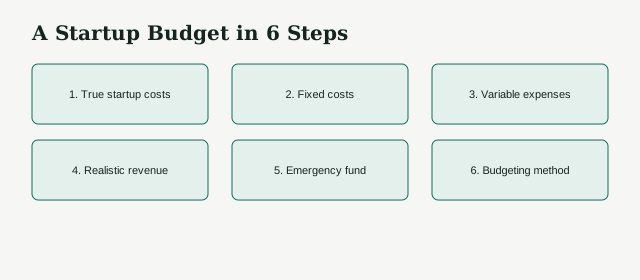
Your startup budget can make or break your business. Most new businesses fail because they run out of money, not because they have bad ideas. This blog clearly explains how to create a startup budget that helps you manage costs, avoid mistakes, and plan for growth.Step 1: Calculate Your True Startup Costs
Keep records the way the IRS recommends from day one, so your first tax filing is not a scramble.
Get real quotes, not estimates. Underestimating startup costs by even 30% can put your business at risk before it begins. One-time expenses to include:- Business registration and permits
- Essential equipment and software
- Initial inventory or materials
- Professional website setup
- Legal and accounting setup fees
- First month’s rent and deposits
Step 2: List Your Monthly Fixed Costs
Fixed costs occur every month, whether you make sales or not. Keeping these low prevents your cash from draining too quickly. Typical fixed expenses:- Rent and utilities
- Employee salaries
- Insurance payments
- Software subscriptions
- Loan payments
Step 3: Track Variable Expenses
Variable expenses change with business activity. The advantage is that you can adjust them when needed. Common variable costs:- Raw materials and inventory
- Marketing and advertising
- Shipping and delivery
- Freelancer payments
- Travel expenses
Step 4: Estimate Your Revenue Realistically
Many startups assume revenue will grow quickly. A more cautious approach helps you stay prepared. How to forecast income:- Research what similar businesses earn
- Create three projections: optimistic, realistic, and conservative.
- Account for the time it takes to acquire and retain customers
- Count revenue only once it is received in your bank account
Step 5: Set Aside Emergency Money
The SBA recommends budgeting for at least a few months of runway in reserve.
Unexpected costs are part of running a business. Prepare for them before they happen. Reserve at least 15% of your budget for emergencies, such as equipment failures, legal issues, or new opportunities that require immediate cash.Step 6: Choose Your Budgeting Method
Zero-based budgeting: Start from zero each month. Justify every expense. Best for tight cash control. Rolling budgets: Update monthly by adding new months as they come. Perfect for fast-changing businesses. Flexible budgeting: Adjust spending based on actual sales. Works when revenue swings wildly. Pick one and stick with it for six months.Where Your Money Should Go
Product Development (35-40%)
Build something people actually want to buy.Marketing and Sales (25-30%)
No customers equals no business. Spend enough to matter.Operations (15-20%)
Keep lights on without waste.Team (20-30%)
Good people cost money. Cheap people cost more.Emergency Fund (15%)
Your insurance against disaster.Tools That Work
QuickBooks: Full accounting system. Worth the cost once you're making money. Xero: Cloud-based, connects to banks automatically. Clean interface. Google Sheets: Free, simple, gets the job done for the early stage. Start simple. Upgrade when complexity demands it.Common Challenges in Startup Budgeting and How to Overcome Them
- You think things cost less than they actually do. Get three quotes for everything big and then add 25% on top.
- You expect money to come in faster. New customers take time to find you and trust you, so plan for slow starts.
- Your timing is off. You might have enough money overall, but not when bills are due. Track when cash comes and goes.
- You make a budget and then forget about it. Check your numbers every month and update when reality is different from your plan.
Best Practices for Effective Startup Budgeting
Get your team involved: Talk to people who actually do the work. They know what things really cost. Check your budget often: Look at it every month. Compare what you planned versus what happened. Keep some discipline: If you made a budget, try to stick to it. Small overspending adds up fast. Learn about money stuff: The more you understand business finances, the better choices you make.Need help planning the right budget for your startup?
[Schedule Your Free Consultation]
At LedgersCFO, we help early-stage founders plan the right budget with our deep finance expertise. Our qualified CFOs work closely with you to design a strategy that fits your budget, keeps expenses under control, and ensures every dollar is used wisely. With the right financial planning in place, you’ll have the clarity to grow confidently and prepare for your next funding round.FAQs
Why is a startup budget important?
A startup budget helps you plan for expenses, manage cash flow, and avoid running out of money unexpectedly.
What expenses should I include in my startup budget?
Include fixed expenses (like rent, salaries, and insurance) and variable expenses (like marketing, utilities, and supplies).
How often should I update my budget?
It’s best to review your budget monthly and make adjustments as your business grows or conditions change.
What are the most common mistakes startups make with budgets?
The most common mistakes are underestimating startup costs, expecting revenue to come in too quickly, ignoring cash flow timing, and forgetting to update the budget regularly.
How can LedgersCFO help with budgeting?
LedgersCFO provides outsourced CFO services that guide startups in creating smart budgets, tracking cash flow, and making financial decisions that improve growth and stability.