Top 5 Startup Credit Cards in 2025
The right corporate credit card can make it easier for your startup to stay on top of expenses, manage budgets, and keep business spending separate from personal use. In this article, we’ll walk through the top corporate credit card options for 2025, explain why they work well for early-stage companies, and help you figure out which one fits your business best.What Is a Corporate Credit Card?
A corporate credit card is issued to businesses, not individuals. It's meant for employee spending on behalf of the company. These cards usually offer detailed tracking, spending controls, and integration with accounting systems. They’re especially helpful when your team grows or your expenses increase; all five cards below charge $0 in annual fees, unlike many traditional business cards that run $95 to $695 per year.Corporate Card vs. Traditional Business Credit Card
What's the main difference?
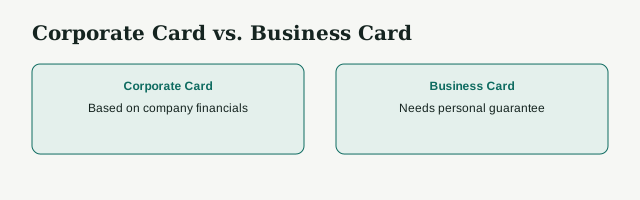
A traditional business credit card is usually tied to your credit score and often requires a personal guarantee. A corporate card, on the other hand, is based on your company’s financials. Some corporate cards don’t even require a credit check. The CFPB's credit card resources explain how personal guarantees and credit checks work before you apply.Which is better for startups?
If your startup is in the early stages with limited revenue, a business credit card might be easier to get. But once you start generating revenue or raising funding, a corporate card can provide better control, perks, and protection.The 5 Best Corporate Credit Cards for Startups in 2025
Ramp Card
Ramp is ideal for startups that want full visibility into their finances. It offers real-time expense tracking, automated savings insights, and zero fees. There’s no need for a personal guarantee, making it safer for founders. If you're looking for clean budgeting tools and automation without the complexity, Ramp is a strong choice.Brex Card
Brex is built with startups in mind, especially VC-backed ones. It connects easily with accounting tools like QuickBooks and Xero, making expense management easier. The card offers tailored rewards and doesn’t require a personal guarantee. Startups with remote teams or fast-growing operations often choose Brex for its flexibility and quick setup.Divvy Corporate Card
Divvy gives startups an all-in-one tool for managing expenses and budgets. It’s useful for teams that need to organize spending across departments or projects. The card adjusts your credit limit based on your cash flow, so you don’t have to rely on a personal credit check. It’s a good fit if you need better control over company-wide spending.Airbase Card
Airbase combines card payments, bill payments, and employee reimbursements into one platform. It’s built for startups that are scaling and need more structure in their spending. With built-in approval workflows and strong control features, Airbase helps finance teams stay on top of spending without needing multiple tools.Stripe Corporate Card
Stripe’s card is a simple, no-fee option that gives 1.5% cashback on all purchases. If your startup already uses Stripe for payment processing, the setup is quick and seamless; other cards in this list, like Ramp and Brex, offer no-fee structures too, so annual costs can run from $0 to $150 depending on the tier. It’s best for founders who want a straightforward solution that fits naturally into the Stripe ecosystem.How to Choose the Right Card for Your Startup
Before applying for a corporate credit card, ask yourself:- Has your startup raised capital or do you have a steady cash flow? Some cards, like Brex or Ramp, work better for well-funded startups or those with reliable cash flow.
- Do you want to avoid a personal credit check or guarantee? Many corporate cards don’t require a personal guarantee, which keeps your credit separate.
- Do you need team-level controls or custom spending limits? If your team is growing, look for cards with strong expense tracking and department-based controls.
- Would you benefit more from rewards, cash back, or built-in tools? Some cards offer flat-rate cash back, while others focus on automation and spend visibility.
Common Mistakes to Avoid
Applying Before Your Startup Is Ready
Don’t rush into applying if your business has no financial history or cash flow. Most corporate cards expect some level of traction.Ignoring Fees and Terms
Some cards have hidden fees, confusing reward structures, or strict repayment terms. Always read the fine print before committing.Giving Out Cards Without Guidelines
Handing out cards to every employee without setting limits or spending rules can lead to budget issues and misuse.Not Integrating With Accounting Tools
Failing to connect your card with tools like QuickBooks or Xero means more manual work and higher chances of reporting errors.Need help setting up your startup’s finance systems?
LedgersCFO can guide you through picking the right card, setting up budgets, and integrating expense workflows.
Book a free consultation with LedgersCFO today.
FAQs
Why should startups consider using corporate credit cards?
They help keep business and personal expenses separate, improve cash flow, and make tracking spending much easier. Plus, rewards and perks can save money as the business grows.
What features should I look for in a startup-friendly corporate credit card?
Low or no fees, flexible credit limits, useful rewards, and easy expense tracking are the most important features for startups.
Are corporate credit cards better than personal cards for startups?
Yes. Corporate cards build business credit and give more control over employee spending, unlike personal cards.
Do I need a strong business credit history to apply for these cards?
Not always. Some providers check cash flow or revenue instead of just credit history, which is helpful for new startups.
How does LedgersCFO support startups in managing corporate credit cards?
LedgersCFO helps select the right card, set up expense tracking, and monitor cash flow so startups can use cards smartly without financial stress.