Why Bad Debt Puts Startups at Risk
In a startup, unpaid invoices can cause real problems. When a customer fails to pay, it directly affects the cash you were counting on to run the business. For early-stage companies with limited reserves, this kind of hit can slow everything down. Bad debt reduces cash flow, delays key decisions, and puts extra strain on your team. But with the right systems in place, you can avoid many of these issues and stay in control of your finances. This blog walks through how bad debt affects startups and what you can do to prevent it.How Startups Should Write Off Bad Debt (Step-by-Step)
Bad debt happens when your startup delivers a product or service, but the customer doesn’t pay. You might send reminders, make calls, or bring in a collection agency, but the money never comes. This usually starts with extending credit to a client, especially in B2B sales. If the customer runs into financial trouble, goes silent, or disputes the work, it can end with you writing off the invoice as a loss.When and How to Write Off Bad Debt
 If it becomes clear that a customer won’t pay, your accountant will need to write it off, following the guidance in IRS Publication 535 on business bad debts. Most startups use what’s called the direct write-off method. This means you wait until you know a specific invoice is uncollectible, then record the loss.
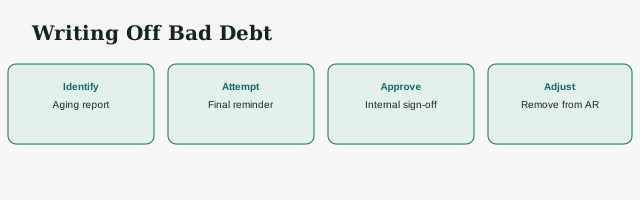
The process typically looks like this:
If it becomes clear that a customer won’t pay, your accountant will need to write it off, following the guidance in IRS Publication 535 on business bad debts. Most startups use what’s called the direct write-off method. This means you wait until you know a specific invoice is uncollectible, then record the loss.
The process typically looks like this:
- Identify the overdue invoice using the aging reports
- Attempt to collect or issue a final reminder.
- Get internal approval to write it off.
- Adjust the books by removing the invoice from accounts receivable
5 Ways Bad Debt Impacts Startup Cash Flow and Growth
Bad debt can cause more damage than most founders expect. Here's how:1. Impact on Cash Flow
Cash flow is the movement of money in and out of your business over a given period. When a customer doesn’t pay, your startup loses the cash you were counting on. That creates gaps in your budget, delays payroll or vendor payments, and forces you to reshuffle priorities.2. Growth Slows Down
You may have already spent time and resources to fulfill the work. If the money never arrives, that’s profit gone. It leaves less room for hiring, launching products, or running campaigns.3. Your Credit Score Suffers
A credit score is a numeric rating lenders use to judge how likely a business is to repay what it owes. If you fall behind on your bills due to cash shortfalls, your credit rating can take a hit. That makes it harder to raise debt or negotiate favorable terms with vendors.4. More Operational Pressure
Dealing with overdue payments takes time. Chasing invoices, negotiating payment plans, and following up on disputes add stress to your operations and distract your team from core tasks.5. Risk of Shutdown
For bootstrapped or early-stage startups, too many unpaid invoices can create a domino effect of missed bills, cash crunch, and lost opportunities. If the cycle continues, it can even lead to shutdown.8 Proven Strategies to Prevent Bad Debt in Startups
You can’t avoid all risk, but with the right systems, you can reduce the chance of being left unpaid.1. Screen Customers Before Offering Credit
Run basic credit checks or ask for references before offering payment terms to a new client. Past behavior often predicts future reliability.2. Set Credit Limits
Don’t offer open-ended credit. Put a limit on how much a customer can owe at any time, such as $5,000 to $25,000 for a new account, and adjust it based on their payment history.3. Use Clear Payment Terms
Spell out when invoices are due, what happens if they’re late, and whether you charge interest. Include this in all contracts and invoices.4. Track Receivables Actively
Use accounting tools to flag overdue invoices early. Set up alerts or dashboards so your team always knows what’s owed and what’s aging out, consistent with the habits the SBA's guide to managing business finances recommends.5. Ask for Deposits or Upfront Payments
For large projects or new customers, collect 25% to 50% of the total before starting work. It lowers your risk and keeps cash flowing.6. Send Timely Reminders
Automate payment reminders before and after the due date. Many clients simply forget, and a polite nudge often gets results.7. Update Your Credit Policies
As your startup grows, so should your systems. Review your credit control process every few months to stay aligned with your risk tolerance.8. Build a Cash Buffer
Set aside a portion of revenue, often 5% to 10% of monthly revenue, to cover slow payments or write-offs. Having reserves lets you absorb hits without panic.Need Help Strengthening Your Receivables Process?
Book a free consultation today.
At LedgersCFO, we help startups build strong systems for managing accounts receivable. Our team works closely with founders to clean up old books, improve cash flow, and put clear processes in place to reduce the risk of unpaid invoices. Whether you're dealing with late payments or setting up your first billing system, we’ll guide you through it. Book a free consultation today and see how we can support your growth.
FAQs
What qualifies as bad debt in a startup?
Bad debt is an invoice that your customer hasn’t paid and likely never will. After collection attempts fail, it gets written off to reflect the loss.
How do I know when to write off an invoice?
If an invoice has been overdue for months, and the client has stopped responding, it may be time to consult your accountant and write it off.
Can bad debt affect investor perception?
Yes. High levels of unpaid invoices can raise red flags during due diligence. It suggests poor cash management or customer vetting.
What software can help with A/R tracking?
QuickBooks, Xero, and FreshBooks offer features to manage invoices, reminders, and aging reports. Choose one that your team can easily use.
How does LedgersCFO help with bad debt?
We help startups create better credit policies, automate invoicing and follow-ups, and clean up old receivables so you can focus on growth.