Top 5 Accounting Mistakes Startups Make
 Most startup founders focus on building the product and getting users. But ignoring accounting creates problems. Many founders delay setting up proper systems. Small mistakes in the beginning can lead to bigger issues as the company grows. The SBA's guide to managing business finances lists recordkeeping among the core habits of a financially healthy business.
This article explains five common startup accounting mistakes and how to avoid them with simple, practical steps.
Most startup founders focus on building the product and getting users. But ignoring accounting creates problems. Many founders delay setting up proper systems. Small mistakes in the beginning can lead to bigger issues as the company grows. The SBA's guide to managing business finances lists recordkeeping among the core habits of a financially healthy business.
This article explains five common startup accounting mistakes and how to avoid them with simple, practical steps.
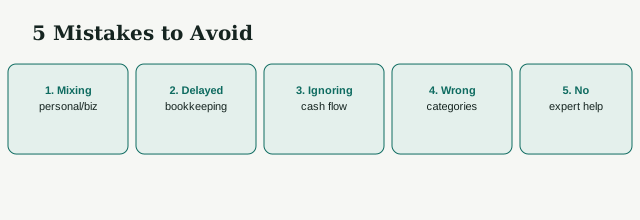
1. Not Separating Business and Personal Finances
Using your personal bank account for business spending causes confusion. It becomes hard to track expenses, keep clean records, and claim tax deductions. Open a separate business bank account from day one to stay organized; most banks require only $0 to $100 to open one.How to Avoid It
Open a dedicated business bank account as soon as your company is incorporated. Use it for all company-related expenses and income. This keeps your records clean and makes tax season much easier.2. Ignoring Bookkeeping Until It’s Too Late
When you start a company, most of your time goes into building the product and getting customers. But putting off accounting can cause problems. Many founders wait to set up a proper system, thinking they’ll deal with it later. Small issues early on can grow into bigger problems as the business expands.How to Avoid It
Invest in simple bookkeeping software like QuickBooks, Xero, or Zoho Books. Even better, hire a part-time bookkeeper early on. Regularly updating your books ensures accuracy and saves time when you need reports.3. Forgetting to Track Cash Flow
Cash flow is the movement of money in and out of your business, and it is different from profit shown on an income statement. Many startups fail because they run out of cash, not because they aren’t profitable. Revenue might look good on paper, but if payments are delayed or expenses increase unexpectedly, your runway can disappear fast.How to Avoid It
Monitor your cash flow weekly. Use a spreadsheet or accounting tool to track incoming and outgoing funds. Always know how much cash you have on hand and how long it will last.4. Misclassifying Expenses
Mislabeling expenses might seem like a minor issue, but it leads to inaccurate reports and possible problems with tax filings. For example, logging a team dinner under “travel” instead of “meals” might confuse you when you review your budgets. The IRS recordkeeping guidelines also note that under Section 6662 of the tax code, careless errors can trigger an accuracy-related penalty of 20% of the underpayment.How to Avoid It
Create clear expense categories from the beginning. Review your chart of accounts with your accountant to ensure everything is properly labeled.5.Not Getting Help from a Professional
In the early days, you might try to manage everything yourself. But taxes, financial statements, and compliance rules get more complex as your startup grows. A single mistake in your finances can hurt your credibility with investors or lead to penalties; under Section 6662 of the tax code, careless underpayments can trigger a 20% accuracy-related penalty, and bookkeeping cleanup after the fact often costs $1,000 to $5,000 or more.How to Avoid It
Work with an accountant who understands startups. They can help with tax planning, compliance, and strategic financial advice. Think of it as an investment in your startup’s future, not an unnecessary cost.Ready to Fix Your Startup Accounting Before Mistakes Cost You?
Book a free consultation today
At LedgersCFO, we help startups set up strong financial systems from the start. From clean bookkeeping to accurate financial reports, our team ensures everything runs smoothly so you avoid costly mistakes down the road. Whether you’re still pre-revenue or scaling fast, we support you with the tools, guidance, and clarity you need to stay on top of your numbers and grow with confidence.FAQs
What are the most common startup accounting mistakes?
Common startup accounting mistakes include mixing personal and business finances, delaying proper bookkeeping, ignoring cash flow, misclassifying expenses, and not using reliable accounting software from the start.
How early should a startup set up an accounting system?
Ideally, from day one. Even at the pre-revenue stage, having a basic accounting system in place helps you track spending, stay compliant, and prepare for fundraising or tax filing.
Why is it risky to delay hiring a bookkeeper?
Waiting too long can lead to disorganized records, missed payments, and unclaimed deductions. A bookkeeper keeps your finances clean, so you’re not scrambling during tax season or investor meetings.
Can accounting mistakes affect future fundraising?
Yes. Investors want to see accurate, organized financial data. Errors or missing records can delay funding or raise red flags about how your startup is managed.
How can LedgersCFO help startups avoid accounting mistakes?
LedgersCFO provides full-service bookkeeping and accounting tailored to startups. From setting up your system to keeping your books clean and your reports investor-ready, we help you avoid common pitfalls and stay focused on growth.