How to Read a Startup’s Bank Statement
A bank statement is a monthly record, issued by your bank, that lists every deposit, withdrawal, and fee in your account. Bank statements are crucial for startup founders, as they provide insight into the business's financial performance. Reading your bank statement every month helps you track spending, confirm income, and catch any mistakes before they become problems. Here's how to approach it, using guidance from the Consumer Financial Protection Bureau.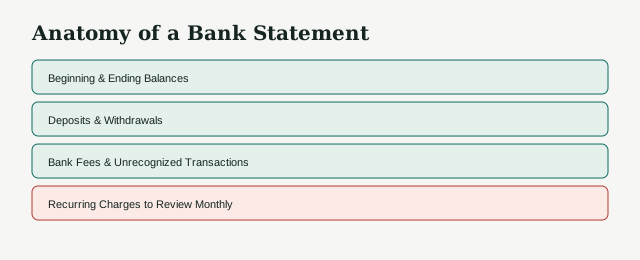
Why Every Startup Founder Should Review Bank Statements Monthly
Your bank statement shows your startup’s real-time cash position. It helps you understand whether your company is gaining or losing money over time. It also helps you spot incorrect charges, missed deposits, or possible fraud. If you’re not reviewing statements regularly, you may miss early warning signs like excessive fees, payment delays, or unauthorized transactions.Key Items to Check in Your Startup’s Bank Statement
Beginning and Ending Balances
Check your balance at the start and end of the statement period. This shows if your cash position has improved or declined. Use this to monitor burn rate and cash runway.Deposits
List all incoming funds, customer payments, investments, loans, or refunds. Ensure that all expected deposits are received. If a payment is missing, follow up immediately.Withdrawals
Review every outgoing transaction. This includes payroll, vendor payments, software subscriptions, and other expenses. Compare them to your budget to stay in control of spending.Bank Fees
Banks sometimes charge monthly fees or transaction costs. Monthly business checking fees often run $10 to $30, and outgoing wire fees can add another $15 to $45 per transfer. Track these to avoid unnecessary charges. If fees are high, consider moving to a more startup-friendly bank.Transactions You Don’t Recognize
If you see a charge that doesn’t look familiar, investigate it. Fraud does happen. Early detection is key to protecting your funds. Under Regulation E, your liability for an unauthorized electronic transfer is capped at $50 if you report it within 2 business days, up to $500 if you report it within 60 days, and unlimited if you wait longer, so report anything unfamiliar right away.Recurring Charges
Check for subscriptions or recurring charges you no longer use. Cancel anything unnecessary to reduce waste.Match with Your Records
Go through your bank statement and compare it with your accounting records. Make sure every deposit and expense is recorded correctly. Bank reconciliation is the process of matching every transaction on your statement to your internal books to confirm they agree. If you find any mismatch, check why and fix it right away.How Accountants Analyze Startup Bank Statements
The best accountants (like us) carefully go through your bank statements to make sure everything lines up with your books. If something’s missing, duplicated, or doesn’t match, we catch it early before it becomes a bigger issue during tax season or while raising funds. Clean, accurate statements help your accountant file taxes correctly, prepare for audits, and support you when speaking with investors. Granting your accountant full access to your bank statements makes their job easier and ensures your books are accurate.Spotting Spending Patterns to Improve Startup Cash Flow
Once your records match up and you’ve flagged any red flags, look for trends in your spending. Your bank statement shows where your money goes month-to-month. Spotting patterns helps you identify areas to cut costs and track how your decisions impact your cash flow.What to Do:
-
Look for repeating expenses like software subscriptions, payroll, or vendor payments.
-
If something seems unusually high, discuss it with your accountant.
-
Staying aware helps prevent overspending and frees up cash for future growth.
Stay Investor-Ready with LedgersCFO’s Bank Reconciliation Support
Schedule a free consultation now
As a specialized accounting partner for startups, LedgersCFO helps you stay on top of your bank activity and keep your records clean. We support reconciliation, flag issues, and give you reports that are easy to understand. Book a free consultation with LedgersCFO and take control of your financial tracking.FAQs
Why should I check my startup’s bank statement regularly?
It shows your actual cash position. This helps you manage expenses and plan with real numbers, not just projections from your financial model.
What if I see a transaction that looks unfamiliar?
Look into it immediately. If you didn’t authorize it, report it to your bank and let your accountant know.
How often should I reconcile my bank statements?
Do it at least once a month. Some fast-growing startups choose to reconcile weekly with help from a bookkeeper or CFO.
What’s the best way to share bank details with my accountant?
Use secure bank feeds through platforms like QuickBooks Online. Avoid sharing statements through email or as PDFs when possible.
Can LedgersCFO handle bank reconciliations for my startup?
Yes. We match every bank transaction to your books to make sure your financials stay accurate and ready for investors or tax filings.